

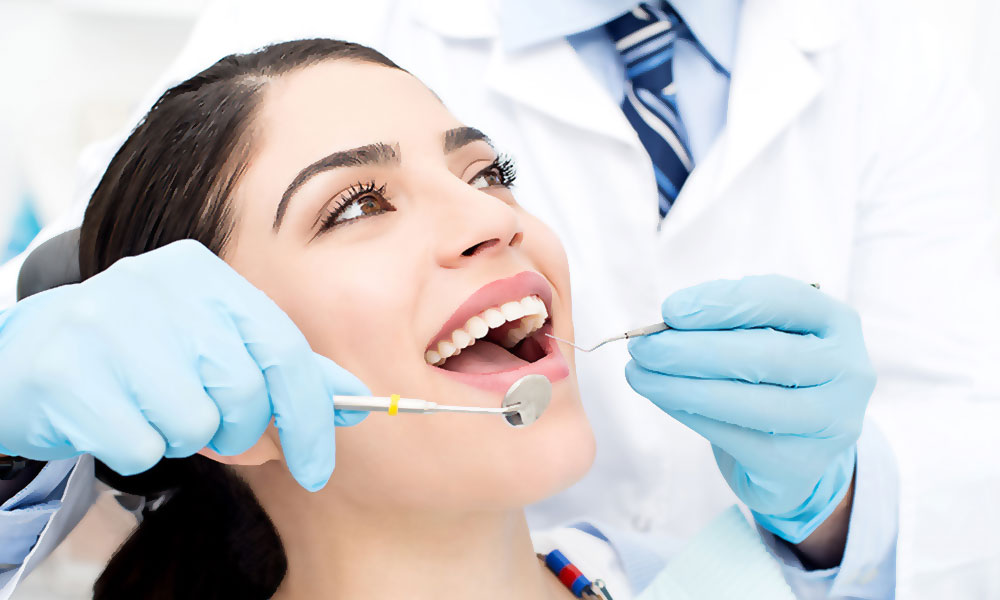
Dental health is a cornerstone of overall well-being, influencing not only the functionality of our teeth and gums but also impacting systemic health, confidence, and quality of life. Maintaining optimal oral hygiene and understanding the advancements in modern dentistry are essential for both prevention and treatment of oral diseases. This article delves deeply into the science, practices, and innovations surrounding dental care, offering a thorough exploration suitable for professionals, students, and individuals seeking to enhance their oral health knowledge.
Understanding Dental Health
Dental health refers to the state of the teeth, gums, and entire oral cavity. Healthy teeth are free of decay, fractures, and misalignments, while healthy gums are firm, pink, and free from infection or inflammation. Oral health is integrally linked to overall health. Research indicates strong associations between poor dental hygiene and systemic conditions such as cardiovascular disease, diabetes, respiratory infections, and adverse pregnancy outcomes.
Key Components of Oral Health
-
Teeth: Structurally composed of enamel, dentin, pulp, and cementum, teeth are designed for mastication, speech, and aesthetics. Enamel, the hardest substance in the human body, serves as a protective barrier against decay.
-
Gums (Gingiva): These soft tissues support and protect the teeth, creating a seal against bacterial invasion. Healthy gums are critical in preventing periodontal disease.
-
Oral Mucosa: Lining the inside of the mouth, this tissue safeguards underlying structures and contributes to taste, speech, and lubrication.
-
Saliva: A natural cleanser, saliva neutralizes acids, contains antimicrobial components, and facilitates digestion.
Common Dental Conditions
-
Dental Caries: Resulting from bacterial metabolism of sugars, caries lead to enamel and dentin breakdown. Left untreated, they can progress to pulp infections and tooth loss.
-
Periodontal Disease: This includes gingivitis and periodontitis, caused by bacterial plaque accumulation. Severe periodontitis can destroy bone and soft tissue support around teeth.
-
Malocclusion: Misalignment of teeth can result in bite issues, temporomandibular joint (TMJ) disorders, and aesthetic concerns.
-
Oral Cancer: While less common, early detection of lesions in the oral cavity can be life-saving.
Preventive Dentistry: The First Line of Defence
Preventive dentistry focuses on maintaining oral health and preventing disease. It is far more effective and cost-efficient than reactive treatments.
Daily Oral Hygiene Practices
-
Brushing: Use a soft-bristled toothbrush and fluoride toothpaste twice daily. Proper brushing technique, including gentle circular motions, reduces plaque and prevents enamel erosion.
-
Flossing: Cleaning interdental spaces removes plaque and food particles inaccessible to brushing alone.
-
Mouthwash: Antimicrobial rinses can reduce bacterial load and aid in managing gingivitis.
-
Dietary Considerations: Limiting sugary and acidic foods prevents enamel demineralisation and caries development.
Regular Dental Check-Ups
Professional examinations and cleanings are critical. Dentists can detect early-stage caries, gum disease, and other oral pathologies that are not visible to patients. Dental X-rays and periodontal assessments are standard in evaluating underlying bone health and tissue integrity.
Fluoride and Sealants
-
Fluoride Treatments: Strengthen enamel, making it more resistant to acid attacks.
-
Dental Sealants: Protective coatings applied to molars can prevent caries, especially in children and adolescents.
Advances in Modern Dentistry
Modern dentistry has witnessed remarkable technological and procedural innovations that enhance treatment outcomes, comfort, and aesthetics.
Cosmetic Dentistry
Aesthetic dentistry focuses on improving the appearance of teeth and smiles. Procedures include:
-
Teeth Whitening: Professional bleaching techniques remove deep stains effectively.
-
Veneers: Thin porcelain or composite shells placed over teeth to correct shape, colour, and minor misalignments.
-
Orthodontics: Invisalign and clear aligners offer discreet alignment of teeth, replacing traditional braces in many cases.
Restorative Dentistry
Restorative treatments repair damaged teeth and restore function:
-
Dental Fillings: Composite or ceramic materials restore decayed or fractured teeth.
-
Crowns and Bridges: Crowns cover compromised teeth, while bridges replace missing teeth to maintain occlusion.
-
Dental Implants: Titanium or zirconia posts surgically inserted into the jawbone provide permanent solutions for missing teeth, supporting crowns or dentures.
Periodontal and Surgical Innovations
-
Laser Dentistry: Offers minimally invasive treatment for gum disease, oral lesions, and teeth whitening.
-
Guided Bone Regeneration: Advanced procedures reconstruct bone in preparation for implants.
-
Minimally Invasive Extractions: Preserve bone and reduce post-operative recovery time.
Digital Dentistry
The integration of digital technology has revolutionised diagnostics and treatment:
-
3D Imaging and CBCT: Provide detailed anatomical visuals for precise planning of implants and surgeries.
-
CAD/CAM Systems: Enable custom fabrication of crowns, bridges, and orthodontic devices with superior accuracy.
-
Digital Scanners: Improve impressions for restorative and orthodontic procedures, eliminating traditional messy molds.
Dental Specialities
Dentistry encompasses multiple subfields, each addressing specific oral health needs:
-
Endodontics: Focuses on treating pulp diseases and performing root canal therapy.
-
Periodontics: Deals with diseases of gums and supporting structures.
-
Prosthodontics: Restores missing teeth and oral function through dentures, bridges, and implants.
-
Oral and Maxillofacial Surgery: Manages complex surgical procedures, including extractions, trauma repair, and corrective jaw surgery.
-
Paediatric Dentistry: Provides specialised care for children, including preventive and behavioural management.
-
Orthodontics: Corrects teeth and jaw alignment for functional and aesthetic improvement.
The Role of Dental Technology in Patient Care
Technological advancements have transformed patient experiences by reducing pain, shortening treatment times, and increasing success rates.
-
Intraoral Cameras: Facilitate patient education by providing live visuals of dental conditions.
-
Laser Therapy: Reduces bleeding, accelerates healing, and enhances precision.
-
Sedation Dentistry: Enables patients with dental anxiety to undergo treatment comfortably.
-
Tele-dentistry: Allows remote consultations, increasing accessibility for rural and underserved populations.
Lifestyle Factors Affecting Dental Health
Several lifestyle choices significantly influence oral health outcomes:
-
Smoking and Tobacco Use: Strongly associated with periodontal disease, oral cancer, and delayed healing.
-
Alcohol Consumption: Excessive alcohol can contribute to dry mouth and oral cancer risk.
-
Diet and Nutrition: Adequate intake of calcium, vitamin D, and phosphorous supports strong teeth and bone health.
-
Stress and Oral Health: Stress can exacerbate bruxism (teeth grinding) and periodontal disease progression.
Integrating Oral and Overall Health
Modern research emphasises the oral-systemic health connection. Periodontal inflammation is linked to diabetes control, cardiovascular risk, and pregnancy outcomes. Maintaining optimal dental hygiene is increasingly recognised as a critical component of comprehensive health management.
Dental Emergencies and First Aid
Timely intervention is crucial in dental emergencies:
-
Tooth Fracture: Rinse and store in milk, seek immediate dental care.
-
Avulsed Tooth: Re-implantation is possible if treated promptly.
-
Severe Pain or Abscess: Requires urgent professional evaluation to prevent systemic infection.
-
Soft Tissue Injuries: Apply cold compresses and maintain hygiene to prevent infection.
Preventive Strategies for Long-Term Oral Health
Long-term oral health depends on consistent preventive strategies:
-
Establishing routine dental visits every six months.
-
Maintaining meticulous daily oral hygiene.
-
Monitoring diet and limiting sugar and acid intake.
-
Using mouthguards during contact sports to prevent trauma.
-
Educating children early on proper brushing and flossing habits.
FAQs About Dental Health
Q1: How often should I visit the dentist?
Dental professionals recommend check-ups every six months, but individual needs may vary based on oral health status and risk factors.
Q2: Are electric toothbrushes more effective than manual ones?
Electric toothbrushes can enhance plaque removal, especially for those with limited dexterity, but proper technique is most important.
Q3: Is teeth whitening harmful?
Professional whitening is safe when performed under supervision. Overuse or improper application may cause enamel sensitivity.
Q4: Can gum disease be reversed?
Gingivitis is reversible with proper oral hygiene. Advanced periodontitis may require professional intervention to halt progression but cannot be fully reversed.
Q5: Are dental X-rays safe?
Modern dental X-rays use minimal radiation and are safe when appropriately indicated. Protective measures like lead aprons are standard.
Q6: How does nutrition affect teeth?
A balanced diet rich in vitamins and minerals supports enamel strength, reduces decay risk, and promotes healthy gums.
Q7: What is the best way to prevent cavities in children?
Early adoption of brushing with fluoride toothpaste, dental sealants on molars, limiting sugary snacks, and regular check-ups are effective preventive measures.
Dental care is an evolving field that combines preventive strategies, technological innovation, and patient-centred approaches to ensure lifelong oral health. By understanding the intricacies of dental anatomy, common pathologies, and modern treatments, individuals can make informed choices, promoting both oral and systemic well-being.