

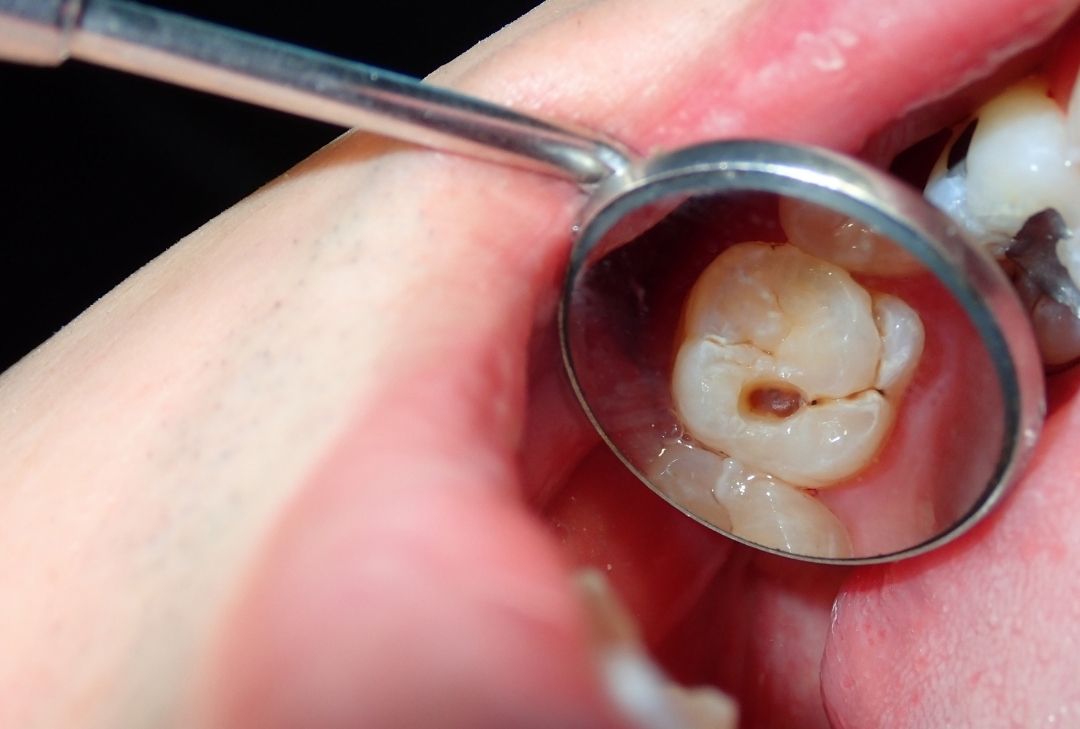
Tooth decay doesn’t happen overnight. It develops quietly, often triggered by everyday habits that seem harmless at first. Many people believe cavities are inevitable, but in reality, small and repeated dental mistakes are usually the root cause. Understanding these missteps can help you protect your teeth before irreversible damage begins.
Skipping Proper Brushing Technique
Brushing daily is essential, but how you brush matters just as much as how often. Rushed or aggressive brushing can leave plaque behind or damage enamel.
Common brushing mistakes include:
-
Using a hard-bristled toothbrush
-
Brushing for less than two minutes
-
Ignoring the gumline where bacteria collect
-
Applying too much pressure
A gentle, circular motion with a soft-bristled brush is far more effective at removing plaque without harming enamel.
Neglecting to Floss Regularly
Many people underestimate flossing, assuming brushing alone is enough. Unfortunately, tooth decay often starts between teeth, where toothbrush bristles can’t reach.
When flossing is skipped:
-
Food particles remain trapped
-
Bacteria multiply in tight spaces
-
Acid attacks enamel unnoticed
Daily flossing disrupts bacterial buildup and significantly lowers the risk of early cavities.
Frequent Snacking on Sugary or Starchy Foods
Sugar isn’t the only culprit—starches break down into sugars that fuel cavity-causing bacteria. Constant snacking keeps acid levels high in the mouth.
High-risk habits include:
-
Sipping sweetened beverages throughout the day
-
Frequent consumption of chips, crackers, and pastries
-
Chewing sugary gum without xylitol
Limiting snacks and rinsing with water after eating helps restore a healthier oral environment.
Ignoring Early Warning Signs
Early tooth decay often causes subtle symptoms that are easy to dismiss. Ignoring them allows damage to worsen.
Watch out for:
-
Increased tooth sensitivity
-
White or chalky spots on enamel
-
Mild pain when eating sweets
-
Occasional bad breath
Addressing these signs early can prevent cavities from turning into painful dental procedures.
Using Teeth as Tools
Opening packages or biting hard objects may seem convenient, but teeth aren’t designed for that kind of stress. Small cracks form in enamel, making it easier for bacteria to invade.
This habit increases the risk of:
-
Enamel fractures
-
Hidden decay
-
Long-term tooth weakness
Using proper tools instead of teeth protects enamel integrity.
Skipping Routine Dental Checkups
Many cases of early decay develop without noticeable pain. Without regular dental visits, these issues often go undetected.
Professional checkups help by:
-
Identifying decay before it spreads
-
Removing hardened plaque (tartar)
-
Reinforcing proper oral hygiene habits
Preventive care is always easier and less expensive than restorative treatment.
Overlooking the Importance of Saliva
Saliva plays a critical role in neutralizing acids and washing away bacteria. Certain habits reduce saliva flow, increasing decay risk.
Factors that reduce saliva include:
-
Dehydration
-
Smoking or vaping
-
Excessive caffeine or alcohol intake
Staying hydrated and chewing sugar-free gum can help maintain a healthy saliva balance.
Frequently Asked Questions (FAQs)
What age group is most at risk for early tooth decay?
Children and teenagers are especially vulnerable due to dietary habits, but adults with poor oral routines are also at high risk.
Can tooth decay occur even if there is no pain?
Yes, early decay often develops without pain until it reaches deeper layers of the tooth.
Does drinking fruit juice cause cavities?
Even natural fruit juices contain acids and sugars that can weaken enamel if consumed frequently.
How long does it take for tooth decay to develop?
Depending on oral habits and diet, decay can begin within months of consistent plaque buildup.
Are electric toothbrushes better for preventing cavities?
They can be more effective at removing plaque, especially for people with limited brushing technique.
Can early tooth decay be reversed naturally?
In its earliest stage, enamel demineralization may be halted or reversed with improved hygiene and fluoride exposure.
Is mouthwash necessary for cavity prevention?
While not a replacement for brushing and flossing, fluoride mouthwash adds extra protection against decay.