

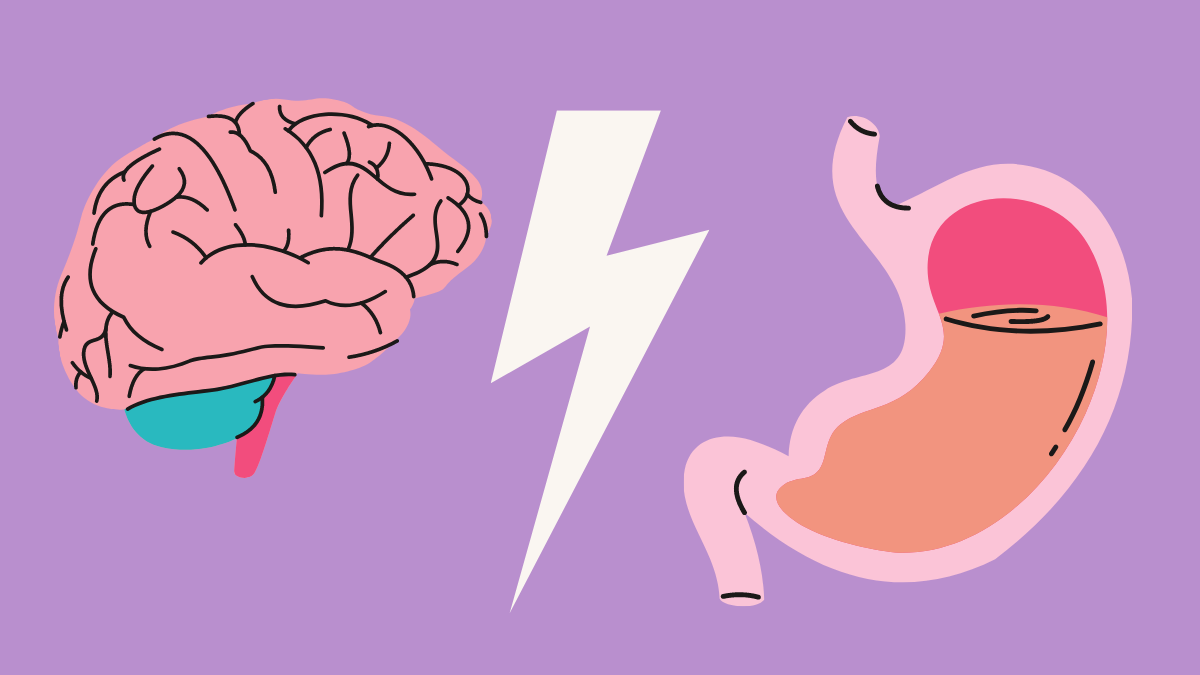
In the intricate web of the human body, a fascinating connection exists between the gut and mental well-being. Recent scientific research has shed light on the profound influence our digestive system can have on our mental health. This article explores the various aspects of this connection, unraveling the complexities and implications for our overall well-being.
- The Gut-Brain Axis: A Two-Way Communication: The gut-brain axis is a bidirectional communication system that links the central nervous system with the enteric nervous system, which is often referred to as the “second brain” located in the gut. This intricate connection allows signals to travel back and forth, influencing both our mental and digestive health.
- Microbiota and Mental Health: The gut is home to trillions of microorganisms collectively known as the microbiota. These bacteria, fungi, and viruses play a crucial role in maintaining a balanced digestive system. Emerging research suggests that the composition of the microbiota can impact mental health, influencing mood, stress levels, and even conditions like anxiety and depression.
- Serotonin Production in the Gut: Serotonin, often regarded as the “feel-good” neurotransmitter, is primarily associated with the brain. However, a significant amount of serotonin (about 90-95%) is actually produced in the gut. This underscores the importance of a healthy digestive system in maintaining optimal serotonin levels, which in turn, can affect mood and emotional well-being.
- Inflammation and Mental Health: Chronic inflammation in the gut has been linked to various mental health disorders. Conditions such as irritable bowel syndrome (IBS) and inflammatory bowel disease (IBD) often coincide with higher rates of anxiety and depression. The inflammatory response triggered in the gut can release cytokines, signaling proteins that can impact the brain and contribute to mood disturbances.
- Nutrient Absorption and Brain Function: A healthy gut is essential for proper nutrient absorption. Nutrients such as omega-3 fatty acids, vitamins, and minerals play a vital role in brain function and mental health. Impaired nutrient absorption due to gut issues may lead to deficiencies that could contribute to cognitive decline and mental health disorders.
- The Role of Probiotics in Mental Well-being: Probiotics, beneficial bacteria that support gut health, have gained attention for their potential role in promoting mental well-being. Some studies suggest that certain strains of probiotics may have a positive impact on mood and alleviate symptoms of anxiety and depression by modulating the gut microbiota.
- Dietary Choices and Mental Health: The foods we consume directly influence the composition of our gut microbiota. A diet rich in fiber, fruits, and vegetables promotes a diverse and healthy microbiome, which, in turn, can positively impact mental health. On the other hand, a diet high in processed foods and sugars may contribute to an imbalance in gut bacteria and worsen mental health outcomes.
In essence, the connection between gut health and mental well-being is a complex and dynamic interplay. Nurturing a healthy gut through a balanced diet, probiotics, and lifestyle choices may not only benefit digestive health but also have a positive impact on our mental and emotional resilience. Understanding and appreciating this intricate relationship opens new avenues for holistic approaches to mental health care.