

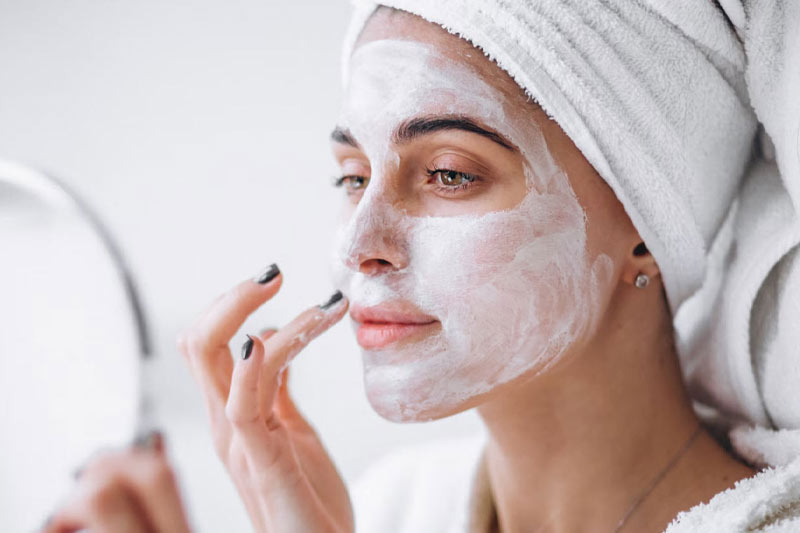
Natural skin care has gained immense popularity as people increasingly seek effective, safe, and sustainable alternatives to conventional cosmetic products. Unlike chemically laden formulations, natural skin care focuses on plant-based ingredients, essential oils, and mineral-rich compounds that nourish the skin while minimizing irritation or adverse effects. Understanding the science behind these ingredients, their applications, and the best practices for maintaining healthy skin is crucial for achieving optimal results.
Understanding Natural Skin Care
Natural skin care refers to a regimen that utilises ingredients sourced from plants, minerals, and other naturally occurring substances, avoiding synthetic chemicals, harsh preservatives, and artificial fragrances. The philosophy emphasizes holistic wellness, promoting skin health through gentle, nutrient-rich products and lifestyle integration.
Core Principles of Natural Skin Care
- Gentle Cleansing: Maintaining the skin’s natural barrier by using mild, non-stripping cleansers.
- Nourishment: Providing essential vitamins, antioxidants, and minerals to support skin regeneration.
- Hydration: Using natural humectants and oils to maintain moisture balance.
- Protection: Leveraging natural antioxidants and SPF-containing botanical extracts to defend against environmental damage.
- Sustainability: Emphasizing biodegradable ingredients and environmentally conscious sourcing.
Natural skin care combines both topical treatments and lifestyle practices, ensuring a comprehensive approach to skin health.
Key Natural Ingredients and Their Benefits
A cornerstone of natural skin care is the selection of ingredients backed by scientific evidence for efficacy.
Plant-Based Oils
- Jojoba Oil: Structurally similar to human sebum, ideal for balancing oil production and providing deep hydration.
- Rosehip Oil: Rich in vitamins A and C, promotes collagen synthesis and reduces fine lines.
- Argan Oil: Contains essential fatty acids and antioxidants, supporting skin elasticity and moisture retention.
Botanical Extracts
- Green Tea Extract: Provides polyphenols with antioxidant and anti-inflammatory properties, protecting against UV damage.
- Aloe Vera: Offers soothing, hydrating, and wound-healing benefits due to its polysaccharides and amino acids.
- Chamomile: Contains bisabolol and flavonoids, reducing redness, irritation, and inflammation.
Natural Exfoliants
- Oatmeal: Gentle on sensitive skin, reduces irritation while exfoliating dead cells.
- Almond Powder: Provides mild mechanical exfoliation, improving texture without microtears.
- Fruit Enzymes: Pineapple and papaya enzymes promote enzymatic exfoliation, enhancing skin renewal.
Minerals and Clays
- Kaolin Clay: Absorbs excess oil while maintaining hydration, ideal for oily skin types.
- Bentonite Clay: Detoxifies and tightens pores, supporting clearer skin.
- Zinc Oxide: Offers natural sun protection and helps calm inflamed skin.
Essential Vitamins and Antioxidants
- Vitamin C (Ascorbic Acid from Citrus or Kakadu Plum): Promotes collagen production and reduces hyperpigmentation.
- Vitamin E (Tocopherol from Nuts or Seeds): Provides antioxidant protection and supports skin barrier function.
- Coenzyme Q10: Aids in reducing oxidative stress and early signs of aging.
Benefits of Natural Skin Care
The advantages of incorporating natural skin care are extensive, supported by both anecdotal and scientific evidence.
Skin Health and Safety
- Reduced risk of irritation, allergies, and chemical sensitization.
- Supports natural skin barrier function and microbiome balance.
Anti-Aging and Regeneration
- Antioxidant-rich ingredients counter free radical damage.
- Plant-derived retinoids and vitamins enhance collagen synthesis and cellular renewal.
Holistic Well-Being
- Promotes mindfulness and self-care routines.
- Incorporates aromatherapy through essential oils, improving emotional wellness.
Environmental and Ethical Considerations
- Biodegradable ingredients reduce ecological footprint.
- Cruelty-free sourcing aligns with ethical consumerism.
Creating an Effective Natural Skin Care Routine
Building a routine requires consideration of skin type, environmental factors, and specific concerns.
Step 1: Cleansing
- Use gentle plant-based cleansers twice daily.
- Avoid sulfates that strip natural oils.
Step 2: Toning
- Natural toners, such as rose water or witch hazel, help restore pH balance and tighten pores.
Step 3: Treatment and Serums
- Incorporate vitamin C serums for brightening.
- Use anti-inflammatory botanicals to target redness or sensitivity.
Step 4: Moisturization
- Select oils or butters appropriate for your skin type: jojoba for oily skin, shea butter for dry skin.
- Maintain hydration to support barrier function and elasticity.
Step 5: Sun Protection
- Use natural mineral-based sunscreens with zinc oxide or titanium dioxide.
- Reapply regularly during sun exposure to prevent photoaging and pigmentation.
Optional Steps: Exfoliation and Masks
- Exfoliate 1–2 times weekly with gentle natural agents.
- Apply hydrating or detoxifying masks tailored to skin needs.
Lifestyle Integration for Optimal Skin Health
Natural skin care extends beyond topical applications. Lifestyle factors play a crucial role in enhancing results.
- Nutrition: Diet rich in antioxidants, omega-3 fatty acids, and vitamins supports skin regeneration.
- Hydration: Adequate water intake maintains elasticity and moisture balance.
- Sleep: Sufficient rest promotes cellular repair and collagen production.
- Stress Management: Meditation, yoga, and mindful practices reduce cortisol-induced skin damage.
- Environmental Protection: Minimising pollution exposure and using natural protective products preserve skin integrity.
Scientific Evidence Supporting Natural Skin Care
Research demonstrates measurable benefits from natural ingredients:
- Aloe Vera: Studies indicate significant improvement in hydration and wound healing.
- Green Tea Polyphenols: Clinical trials show reductions in UV-induced damage and skin inflammation.
- Rosehip Oil: Demonstrated efficacy in reducing scar appearance and wrinkle depth.
- Vitamin C: Well-established in dermatological studies for brightening, collagen synthesis, and antioxidant protection.
Challenges and Considerations
While natural skin care offers many advantages, awareness of limitations ensures safe and effective usage:
- Allergic Reactions: Even natural ingredients may trigger sensitivities; patch testing is essential.
- Variability in Potency: Natural extracts may vary in concentration, impacting efficacy.
- Shelf Life: Absence of preservatives can reduce product stability; refrigeration may be necessary.
- Integration with Conventional Treatments: Certain conditions may require medical-grade dermatological interventions alongside natural care.
FAQs About Natural Skin Care
Q1: Can natural skin care treat acne effectively?
Yes, ingredients like tea tree oil, chamomile, and aloe vera have anti-inflammatory and antimicrobial properties that help manage mild to moderate acne.
Q2: Is natural skin care suitable for sensitive skin?
Generally, yes, but individual patch testing is recommended to avoid reactions, as essential oils or botanical extracts can still irritate sensitive skin.
Q3: How long does it take to see results from natural skin care?
Visible improvements typically appear within 4–8 weeks, depending on skin type, condition severity, and consistency of the routine.
Q4: Can natural oils replace moisturizers?
Plant oils can be highly effective moisturizers; selection depends on skin type and absorption preferences.
Q5: Are natural sunscreens as effective as chemical sunscreens?
Mineral-based sunscreens with zinc oxide or titanium dioxide provide broad-spectrum protection when applied correctly, though reapplication is necessary.
Q6: How should I store natural skin care products?
Store in cool, dark places to preserve potency. Refrigeration may extend shelf life for sensitive formulations.
Q7: Can natural skin care prevent premature aging?
Consistent use of antioxidants, hydrating oils, and sun protection can slow signs of aging, support elasticity, and maintain youthful skin.
Natural skin care represents a scientifically supported, holistic approach to maintaining healthy, radiant skin. By selecting high-quality plant-based ingredients, creating a consistent routine, and integrating lifestyle practices, individuals can achieve long-term skin health while minimizing chemical exposure and supporting environmental sustainability.