

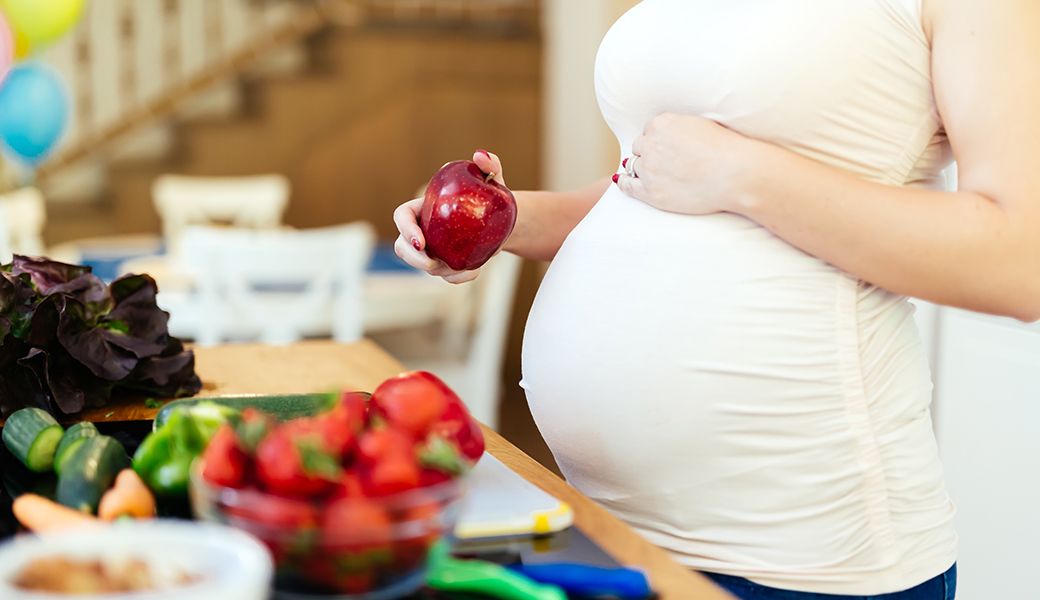
Pregnancy is a period of rapid growth and transformation, not just for the baby but for the mother as well. What you eat during these months directly supports fetal development, maternal health, and long-term outcomes for both. Understanding essential nutrients during pregnancy helps ensure that your body has everything it needs to nourish a growing life.
Rather than focusing on eating more, the emphasis should be on eating nutrient-dense foods that deliver maximum benefits in every bite.
Why Nutrition Matters During Pregnancy
During pregnancy, your body works overtime to support new tissue growth, increased blood volume, and hormonal changes. Poor nutrition may raise the risk of complications such as low birth weight, anemia, or fatigue.
A balanced intake of key nutrients helps:
-
Support fetal brain and organ development
-
Strengthen maternal immunity and energy levels
-
Reduce pregnancy-related complications
-
Promote healthy birth outcomes
Key Nutrients Required During Pregnancy
Folic Acid (Vitamin B9)
Folic acid is one of the most critical nutrients in early pregnancy, especially during the first trimester.
Benefits include:
-
Supports neural tube development
-
Helps prevent birth defects of the brain and spine
-
Aids in red blood cell formation
Food sources:
-
Leafy green vegetables
-
Lentils and chickpeas
-
Fortified cereals
Iron
Iron requirements increase significantly during pregnancy due to expanded blood volume and fetal needs.
Why iron is essential:
-
Prevents iron-deficiency anemia
-
Supports oxygen transport to the baby
-
Reduces fatigue and weakness
Iron-rich foods include:
-
Lean red meat
-
Spinach and kale
-
Beans and fortified grains
Pair iron-rich foods with vitamin C sources for better absorption.
Calcium
Calcium plays a major role in building strong bones and teeth for the baby.
Key benefits:
-
Supports skeletal development
-
Maintains maternal bone strength
-
Helps regulate muscle and nerve function
Dietary sources:
-
Milk, yogurt, and cheese
-
Almonds and sesame seeds
-
Fortified plant-based milk
Protein
Protein is the building block of cells and tissues, making it vital throughout pregnancy.
Protein supports:
-
Growth of fetal tissues and organs
-
Development of the placenta
-
Maternal muscle maintenance
Good sources of protein:
-
Eggs and poultry
-
Fish with low mercury levels
-
Legumes and tofu
Omega-3 Fatty Acids
Omega-3 fatty acids, especially DHA, are essential for fetal brain and eye development.
Benefits include:
-
Supports cognitive development
-
Promotes healthy vision
-
May reduce risk of preterm birth
Natural sources:
-
Fatty fish like salmon
-
Chia and flaxseeds
-
Walnuts
Vitamin D
Vitamin D works closely with calcium to support bone health.
Why it matters:
-
Enhances calcium absorption
-
Supports immune health
-
Aids fetal bone growth
Sources include:
-
Sunlight exposure
-
Fortified dairy products
-
Egg yolks
Iodine
Iodine is often overlooked but is crucial for thyroid function and brain development.
Key roles:
-
Supports fetal nervous system development
-
Helps regulate maternal metabolism
Food sources:
-
Iodized salt
-
Dairy products
-
Seafood
Hydration and Micronutrients
Beyond vitamins and minerals, staying well-hydrated is equally important. Water supports nutrient transport, amniotic fluid levels, and digestion. Alongside hydration, micronutrients like zinc, magnesium, and vitamin B12 contribute to immune function and energy metabolism.
Balanced Diet vs Supplements
While supplements can help fill nutritional gaps, they should not replace a healthy diet. Whole foods provide fiber, antioxidants, and bioactive compounds that supplements cannot fully replicate. Prenatal supplements are most effective when combined with balanced meals.
Final Thoughts
Every pregnancy is unique, and nutritional needs may vary depending on lifestyle, health conditions, and dietary preferences. Prioritizing essential nutrients during pregnancy lays a strong foundation for both maternal well-being and a baby’s healthy start in life. Thoughtful food choices today can have lasting benefits well beyond birth.
Frequently Asked Questions (FAQs)
1. Can I meet all pregnancy nutrient needs through food alone?
In many cases, a well-planned diet can cover most needs, but some women may still require supplements based on individual deficiencies.
2. Are cravings a sign of nutrient deficiency?
Cravings are common and not always linked to deficiencies, though persistent cravings should be discussed with a healthcare provider.
3. How early should I start focusing on pregnancy nutrition?
Ideally, nutrient intake should be optimized before conception and continued throughout pregnancy.
4. Is it safe to consume fish during pregnancy?
Yes, low-mercury fish in moderation is safe and beneficial due to omega-3 fatty acids.
5. What happens if calcium intake is too low?
Low calcium intake may affect maternal bone health and limit optimal fetal bone development.
6. Does morning sickness affect nutrient absorption?
Severe nausea may reduce intake temporarily, but small, frequent meals can help maintain nutrition.
7. Should vegetarian or vegan mothers take extra precautions?
Yes, plant-based diets may require careful planning to ensure adequate protein, iron, vitamin B12, and omega-3 intake.