

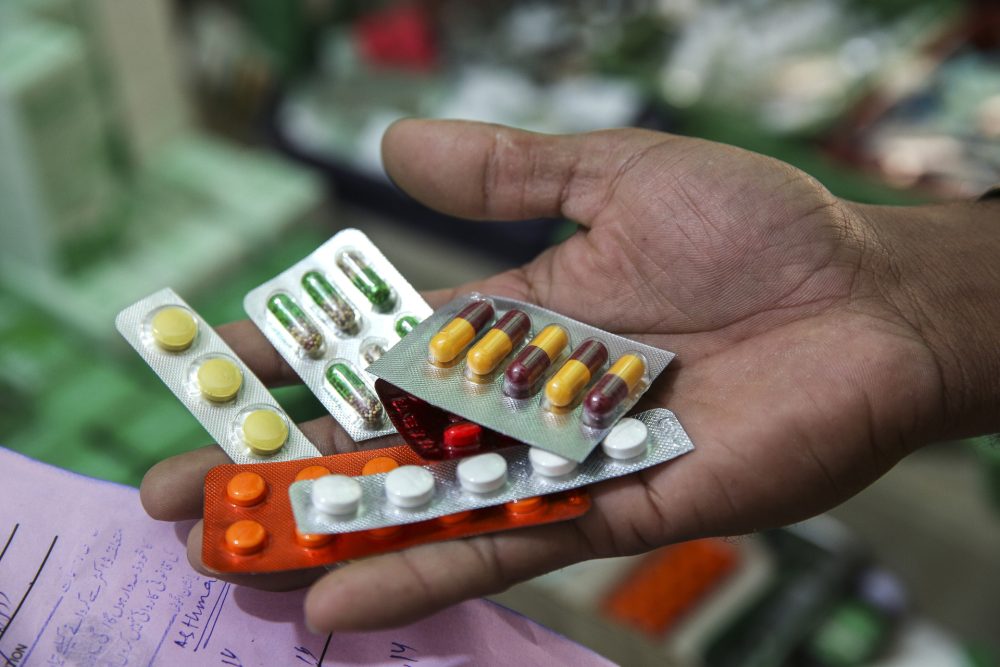
Medicine is a cornerstone of human health, shaping the prevention, diagnosis, treatment, and management of disease. Its practice is not merely the administration of drugs or performing procedures; it encompasses a comprehensive understanding of human biology, pathology, patient care, and public health. This article delves into medicine’s multifaceted aspects, exploring its history, scientific principles, clinical applications, technological innovations, and the challenges faced by modern healthcare systems.
Understanding Medicine
Medicine refers to the science and practice of maintaining health and treating illness through a combination of knowledge, research, clinical skills, and compassionate care. It encompasses both preventive and therapeutic strategies, aimed at promoting overall well-being and longevity.
Core Objectives of Medicine
- Prevention: Reducing disease incidence through vaccination, health education, and lifestyle interventions.
- Diagnosis: Identifying diseases accurately using clinical evaluations, laboratory tests, and imaging techniques.
- Treatment: Employing pharmacological, surgical, and non-invasive therapies tailored to individual patients.
- Rehabilitation: Assisting patients in regaining optimal function following illness, injury, or surgery.
- Research and Innovation: Developing new interventions, drugs, and technologies to advance health outcomes.
Medicine operates at the intersection of science and human care, combining evidence-based practice with patient-centred approaches.
Historical Evolution of Medicine
The history of medicine reflects humanity’s enduring quest to understand disease and develop remedies.
Ancient and Classical Medicine
- Traditional Practices: Ancient civilizations, including Egyptian, Greek, Indian, and Chinese societies, developed rudimentary diagnostic techniques, herbal remedies, and surgical practices.
- Hippocratic Principles: Ancient Greek medicine emphasised observation, documentation, and ethical practice, laying the foundation for modern medical ethics.
Medieval and Renaissance Medicine
- Medical Schools: Institutions in Europe, the Middle East, and Asia advanced anatomical knowledge and medical education.
- Early Pharmacology: Herbal compounds and natural substances were systematically studied for therapeutic use.
Modern Medicine
- Scientific Method Integration: 19th and 20th centuries introduced laboratory-based research, germ theory, and evidence-based treatment protocols.
- Public Health Evolution: Vaccination, sanitation, and epidemiology transformed disease prevention on a population level.
- Technological Advancements: Imaging, molecular biology, and surgical innovation dramatically improved diagnosis and treatment outcomes.
Branches of Medicine
Medicine encompasses numerous specialties, each focusing on specific organ systems, diseases, or patient populations.
General and Internal Medicine
- General Practice: Provides primary care, manages common conditions, and coordinates specialist referrals.
- Internal Medicine: Focuses on adult patients with complex or chronic conditions, including cardiology, endocrinology, and nephrology.
Surgical Specialties
- General Surgery: Treats a broad range of conditions including trauma, abdominal disorders, and soft tissue disease.
- Specialised Surgery: Includes neurosurgery, orthopedic surgery, cardiothoracic surgery, and reconstructive procedures.
Paediatrics and Obstetrics
- Paediatrics: Covers infant, child, and adolescent health, focusing on growth, development, and disease management.
- Obstetrics and Gynaecology: Addresses reproductive health, pregnancy, childbirth, and hormonal disorders in women.
Psychiatry and Mental Health
- Psychiatry: Treats mental illnesses using pharmacological interventions, therapy, and psychosocial support.
- Psychology and Counselling: Complements psychiatric care through behavioural and cognitive interventions.
Emerging and Integrative Fields
- Genomic Medicine: Personalised treatments based on genetic profiles.
- Precision Medicine: Tailored interventions considering molecular, environmental, and lifestyle factors.
- Integrative Medicine: Combines conventional and alternative therapies, emphasising holistic patient care.
Principles of Evidence-Based Medicine
Evidence-based medicine (EBM) integrates clinical expertise, patient preferences, and the best available research to guide decision-making.
- Clinical Guidelines: Standardised protocols optimise diagnosis, treatment, and patient outcomes.
- Randomised Controlled Trials: Provide high-quality evidence for therapeutic efficacy and safety.
- Systematic Reviews and Meta-Analyses: Aggregate data from multiple studies to inform best practices.
- Patient-Centred Care: Incorporates individual values, expectations, and cultural factors into treatment plans.
EBM ensures that medical interventions are scientifically validated, effective, and ethically sound.
Preventive Medicine and Public Health
Preventive medicine focuses on reducing disease risk and promoting health at both individual and population levels.
Vaccination
Vaccines remain one of the most effective preventive interventions, protecting against diseases such as influenza, measles, and hepatitis.
Screening Programs
- Cancer Screening: Mammography, colonoscopy, and Pap smears detect malignancies early.
- Cardiovascular Screening: Blood pressure and cholesterol monitoring prevent complications.
Lifestyle Interventions
- Nutrition and Exercise: Reduce obesity, cardiovascular disease, and diabetes risk.
- Smoking Cessation Programs: Lower the incidence of lung disease and cancer.
Epidemiology
Tracking disease patterns, outbreaks, and risk factors allows timely interventions and public health planning.
Advances in Medical Technology
Modern medicine has been transformed by technology, enabling precise diagnosis, minimally invasive treatment, and better patient outcomes.
Imaging and Diagnostics
- MRI, CT, and Ultrasound: Provide detailed anatomical and functional insights.
- Molecular Diagnostics: Identify genetic mutations, pathogens, and biomarkers.
Therapeutics
- Pharmacological Innovations: Targeted therapies, biologics, and immunotherapies address previously untreatable conditions.
- Minimally Invasive Surgery: Reduces trauma, recovery time, and postoperative complications.
- Robotic-Assisted Surgery: Enhances precision in complex procedures.
Telemedicine and Digital Health
- Remote Consultations: Expand access to care in underserved areas.
- Wearable Devices: Monitor vital signs, detect arrhythmias, and track chronic disease metrics.
- Artificial Intelligence: Assists in imaging interpretation, predictive modelling, and personalised treatment recommendations.
Challenges in Modern Medicine
Despite advancements, the field of medicine faces numerous challenges:
- Healthcare Inequalities: Socioeconomic disparities affect access to quality care.
- Chronic Disease Burden: Rising rates of diabetes, obesity, and cardiovascular disease strain healthcare systems.
- Antimicrobial Resistance: Overuse of antibiotics threatens effective infection control.
- Global Health Crises: Pandemics and emerging pathogens demand rapid adaptation and resource allocation.
- Ethical Dilemmas: End-of-life care, experimental therapies, and data privacy require careful ethical considerations.
The Role of Doctors in Medicine
Doctors are the practitioners who operationalise medical knowledge, translating theory into patient care. Their responsibilities include:
- Conducting detailed clinical assessments and examinations.
- Formulating differential diagnoses and selecting appropriate tests.
- Prescribing treatments and monitoring patient progress.
- Educating patients on preventive strategies and lifestyle modifications.
- Collaborating with multidisciplinary teams to optimise care outcomes.
FAQs About Medicine
Q1: How is medicine different from healthcare?
Medicine refers specifically to the science and practice of diagnosing and treating diseases, whereas healthcare encompasses a broader spectrum including nursing, public health, rehabilitation, and wellness initiatives.
Q2: What is personalised medicine?
Personalised medicine tailors treatment based on an individual’s genetic, environmental, and lifestyle factors, enhancing effectiveness and reducing adverse effects.
Q3: How do medical researchers ensure drug safety?
Through preclinical trials, phased clinical trials, regulatory approvals, and ongoing pharmacovigilance after market release.
Q4: What is the importance of preventive medicine?
Preventive strategies reduce disease incidence, lower healthcare costs, and improve quality of life by addressing risks before conditions develop.
Q5: How has technology changed patient care?
Technology enables faster diagnostics, minimally invasive treatments, telemedicine access, and data-driven personalised care, improving accuracy and efficiency.
Q6: Why is continuous medical education essential?
Medicine evolves rapidly; staying updated ensures that practitioners provide safe, evidence-based, and contemporary treatments.
Q7: What role do lifestyle factors play in medicine?
Nutrition, exercise, sleep, and stress management significantly influence disease prevention, treatment efficacy, and long-term health outcomes.
Medicine is a dynamic, evidence-driven discipline that integrates science, technology, and patient-centred care to improve human health. Its continual evolution ensures that doctors and researchers can address both traditional and emerging health challenges, ultimately enhancing lifespan and quality of life.